
Wellness Blog

1,200 +
Happy Patients

25 yrs
Years of Experience

75 +
Clinic Branches
1,200 +
Happy Patients
25 yrs
Years of Experience
75 +
Clinic Branches
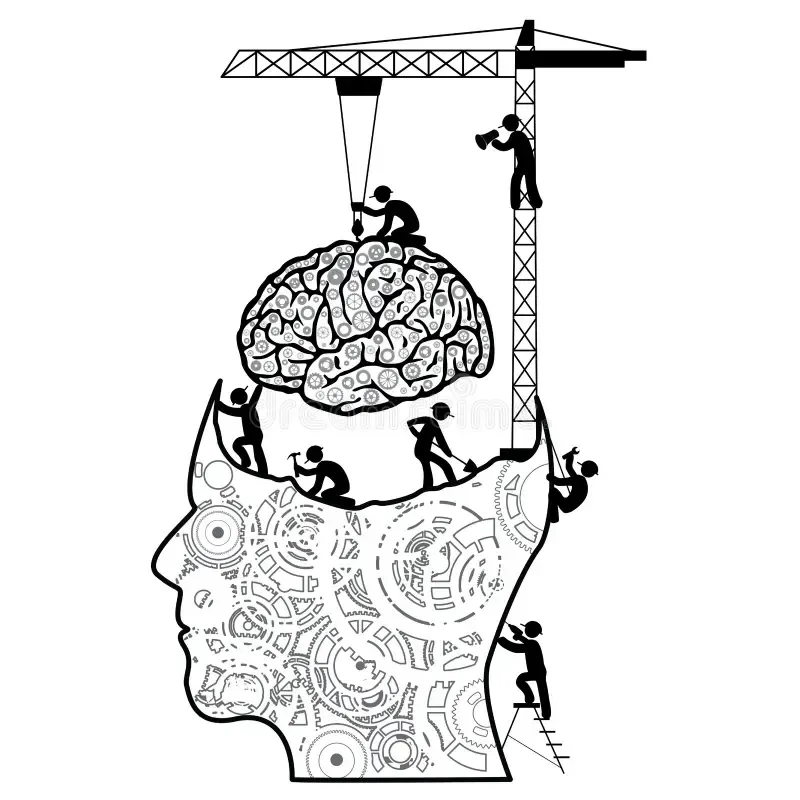
Build Brain Health
A Safe Brain Builds a Better Future
When we think about health, development, and quality of life, we often focus on nutrition, exercise, sleep, or genetics. While these are all important, one of the most powerful influences on a person's lifelong health is often overlooked—the brain's perception of safety.
At Joshua Wellness Practice, we understand that the brain is constantly scanning both the internal and external environment, asking one fundamental question:
"Am I safe?"
The answer to that question shapes how the brain develops, adapts, learns, heals, and ultimately determines how well a person can thrive throughout life.
The Brain Develops Differently When It Feels Safe
A brain that feels safe directs its resources toward growth, learning, healing, creativity, connection, and long-term development. This is often referred to as a state of adaptation and regulation.
In contrast, a brain that perceives danger or stress shifts its priorities toward immediate survival. Energy and resources are diverted away from growth and repair and redirected toward protection. While this response is essential in true emergencies, problems arise when the brain becomes stuck in this survival mode for extended periods.
When the brain remains focused on survival, development can become delayed, learning can become more difficult, emotional regulation may suffer, and physical health can begin to decline.
Why the First Seven Years Matter So Much
Although the brain continues to develop throughout life, the period from birth to approximately seven years of age is particularly important.
Research has shown that experiences during these early years play a significant role in shaping the architecture of the developing brain. During this time, the brain is forming millions of neural connections that influence how a person will respond to stress, build relationships, regulate emotions, learn new skills, and adapt to challenges later in life.
Children who experience consistent feelings of safety, connection, and support tend to develop stronger resilience. Their nervous systems learn that the world is generally safe and predictable, allowing them to recover more effectively from future stressors.
On the other hand, when a child's developing brain is repeatedly exposed to significant stress without adequate support, it can become wired toward heightened vigilance and survival responses. This can impact emotional wellbeing, learning, behaviour, and physical health throughout life.
The encouraging news is that the brain remains adaptable. While the early years are critical, positive changes can occur at any age.
Resilience Is Built, Not Born
Many people think resilience is something you're either born with or not. In reality, resilience is largely developed through the brain's ability to regulate itself and adapt to challenges.
A resilient brain is not one that never encounters stress. It is a brain that can recognise stress, respond appropriately, and then return to a state of balance.
This ability to adapt is one of the hallmarks of health.
Whether you are a child learning to navigate the world, a teenager facing academic pressures, an adult balancing work and family demands, or an older adult wanting to maintain cognitive function and independence, your brain's capacity to adapt influences every aspect of your quality of life.
Safety Is More Than Physical Protection
When we talk about safety, we're not simply referring to physical danger.
The brain interprets safety through many different inputs, including:
Positive relationships and social connection
Consistent routines and environments
Adequate sleep and recovery
Natural sunlight and time outdoors
Movement and physical activity
Healthy nutrition and hydration
Reduced exposure to chronic stress
Balanced sensory input from technology and modern lifestyles
When these factors are present, the brain receives signals that support regulation and healthy development.
The Role of Brain-Based Chiropractic Care
At Joshua Wellness Practice, our focus is helping the brain and nervous system function at their highest potential.
Brain-based chiropractic care is not about chasing symptoms. It is about improving communication within the nervous system so the brain can better perceive, process, and respond to its environment.
When the brain becomes more adaptable and regulated, it is better equipped to move out of survival patterns and into states that support healing, learning, growth, and resilience.
For children, this can support healthy development, learning, behaviour, and emotional regulation.
For adults, it can improve the ability to cope with stress, enhance wellbeing, and support long-term health and vitality.
For older adults, maintaining brain adaptability becomes increasingly important for preserving independence, cognitive function, and quality of life.
Building a Better Future Starts With the Brain
The quality of our future is largely determined by the adaptability of our brain today.
A brain that feels safe develops differently. It learns differently. It heals differently. It becomes more resilient and better prepared for life's challenges.
While the foundations of resilience are laid during the first seven years of life, the opportunity to improve brain function and adaptability never disappears.
No matter your age, supporting a healthy, regulated nervous system is one of the most powerful investments you can make in your future health and quality of life.
At Joshua Wellness Practice, we are passionate about helping people of all ages build stronger, more adaptable brains so they can express their full health potential and live life to the fullest.

Brain Tap
Is a great, simple yet effective technology that can be combined with your chiropractic adjustment to help maximise your natural healing ability. It does this via optimising brain waves and balancing the fight or flight and calming sides of the nervous system. Brain Tap is a relaxation/meditation technology using light, sound and guided talking to assist your brain in achieving its peak potential, sharpening the mind and provide freedom from stress and anxiety.
Treat yourself with 10-20min of blissful relaxation and reboot your brain allowing maximum benefits from your chiropractic adjustment to take effect.
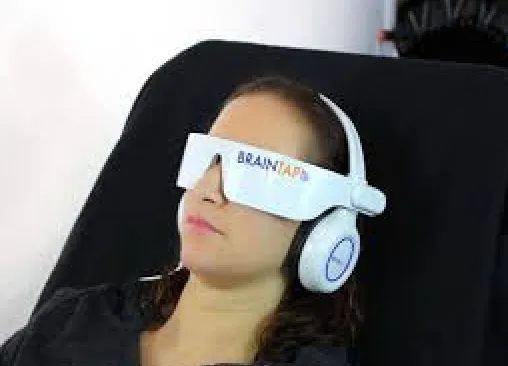
$100 off the BrainTap Power Bundle and the BrainTap Headset.
Click the link below and enjoy a $100 discount when you use the coupon code: PARTNER100
When does health begin?
Our health begins at conception. If the building blocks that are available (from the parents) are not healthy, the foetus may start its journey through life behind the eight-ball. Care must be taken by people considering starting or adding to a family to ensure they are functioning at their optimal level of health.
Chiropractic care is effective in helping people of all ages to reach their optimal health.
Babies
The physical and chemical stresses of the birth process are a very significant factor in the health of a baby. Drugs used during pregnancy and/or at the time of birth; unnatural neck positions, the force of contractions on a tiny baby's body, together with the use of forceps, vacuum or cesarean sections can dramatically impact on a new-born's health.
All of this, together with the health of the parents during the pregnancy and the up-coming challenges of learning to walk etc. that children face are all reasons why babies to be checked by a chiropractor.
Adults
Research shows that up to 40% of 15 year old children have some type of chronic condition 1 and 85% of all adults will suffer back pain bad enough to keep them off work at some stage in their lives 2 . These are not favorable statistics.
What is it that sees so many people unhealthy?
Our lifestyle contains many stresses - spiritually, emotionally, chemically and physically. We all face these stresses, but if our body is not functioning at 100% of its potential (if there is nervous system interference), these stresses will cause our body to break down over time as it fails to adapt.
Isn't it smart to get and keep your nervous system and body working at its full potential?
Babies
The physical and chemical stresses of the birth process are a very significant factor in the health of a baby. Drugs used during pregnancy and/or at the time of birth; unnatural neck positions, the force of contractions on a tiny baby's body, together with the use of forceps, vacuum or cesarean sections can dramatically impact on a new-born's health.
All of this, together with the health of the parents during the pregnancy and the up-coming challenges of learning to walk etc. that children face are all reasons why babies to be checked by a chiropractor.
Children
Part of growing up is learning to ride bikes, climb trees, play sports and even wrestle with siblings.
It is also a time that the body will grow and develop both physically and mentally faster than at any other time during life. Just because kids often do not complain of symptoms does not mean their bodies are functioning at their true potential.
The nervous system interference controls growth, healing, learning and development. A body free of nervous system interference will have the best possible chance to function and develop to the highest level.
Adults
Research shows that up to 40% of 15 year old children have some type of chronic condition 1 and 85% of all adults will suffer back pain bad enough to keep them off work at some stage in their lives 2 . These are not favorable statistics.
What is it that sees so many people unhealthy?
Our lifestyle contains many stresses - spiritually, emotionally, chemically and physically. We all face these stresses, but if our body is not functioning at 100% of its potential (if there is nervous system interference), these stresses will cause our body to break down over time as it fails to adapt.
Isn't it smart to get and keep your nervous system and body working at its full potential?
Elderly
Are you getting too old to worry about your health?
Are you ready for the nursing home?
NEVER! Why should the health of the elderly be viewed as something beyond hope. A healthy spine and nervous system will result in improved healing, improved immunity and greater enjoyment in life. Discover why so many people are finding that with chiropractic care they can add "years to your life and life to your years".
Reference:
1. Children, Australia. A Social Report. Australian Beureau of Statistics - 1999.
2. Chapman-Smith, D. The Chiropractic Profession. NCMIC Group - 2000.
Conditions Under Our Expertise

Chiropractic Care
The nervous system holds the key to the body’s incredible potential to heal itself.

Custom Orthotics
Balancing energy flow for overall health and wellness.
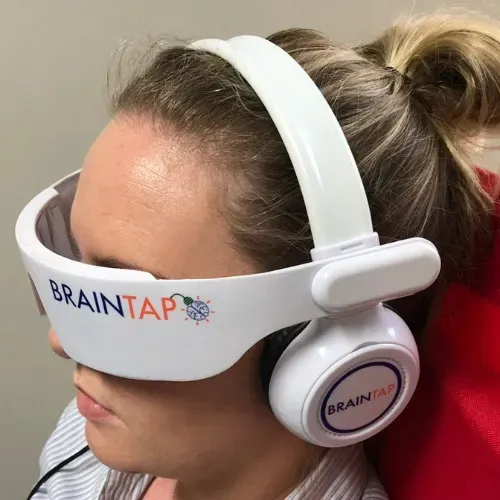
BrainTap
Reboot your brain allowing maximum benefits from your chiropractic adjustment to take effect.

"It is an awesome privilege and my ongoing passion to help people and families live out great quality lives."
Dr Justin Peatling
Chiropractor
TESTIMONIALS
Our Patient Reviews

"Testimomnial lorem ipsum dolor sit amet, consectetur adipisicing elit. Autem dolore, alias, numquam enim dolor elit."
- Name ipsum

Choosing you was the best decision for my health. The personalized care, expert guidance, and transformative approach made a significant impact on my well-being.
I am grateful for the dedicated team who not only alleviated my pain but empowered me with the knowledge to sustain a healthier lifestyle. Trustworthy, compassionate, and effective – I highly recommend you for anyone seeking holistic chiropractic care."
- Best name ever

"Testimomnial lorem ipsum dolor sit amet, consectetur adipisicing elit. Autem dolore, alias, numquam enim dolor elit."
- Name ipsum
Chiropractic care is for kids too...
The health of your children and wanting the very best for them must be one of the most important things a parent can desire. Wanting to see them grow up and develop to their true potential is a thing that parents seek. It is natural to want the very best for your kids.
On the other hand, an unhealthy child can be trying to a family. The feeling of helplessness, and not knowing which way to turn can bring great amounts of distress. As a child grows and develops both mentally and physically, it is vital that their nervous system is working free of interference.
You are never too old or too young to have your nervous system balance checked.

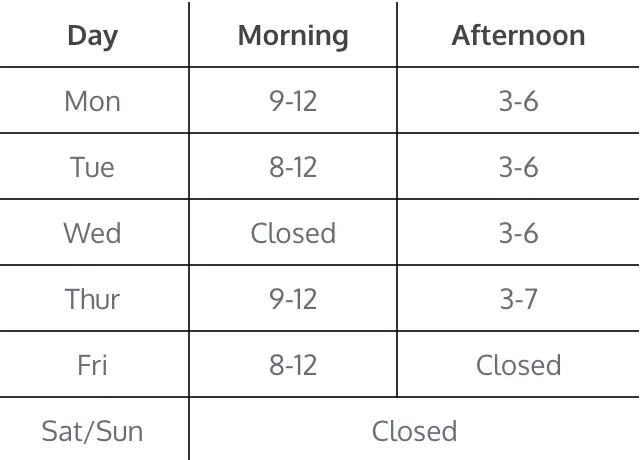
Practice Hours
Subscribe to our newsletter
Get In Touch
Quick Links
Services
Let's Connect!


Copyright 2026. Joshua Wellness Practice. All Rights Reserved.

Practice Hours
Quick Links
Services
Get In Touch
Let's Connect!
Copyright 2026. Joshua Wellness Practice. All Rights Reserved.