
Wellness Blog

1,200 +
Happy Patients

25 yrs
Years of Experience

75 +
Clinic Branches
1,200 +
Happy Patients
25 yrs
Years of Experience
75 +
Clinic Branches
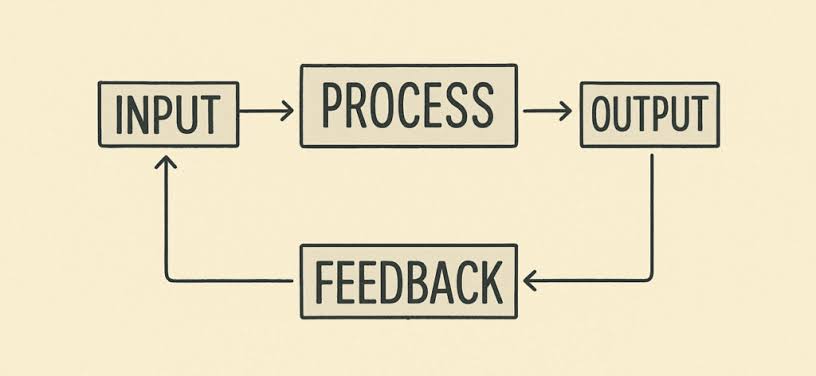
The input, output challenge
Your Brain and Body: Understanding the Connection Between Input, Processing and Output
How your lifestyle influences your brain, how your brain influences your body, and how chiropractic care may help optimise the connection.
Have you ever wondered why the same lifestyle demands can affect two people so differently? Why one person seems to cope well with physical, emotional and mental challenges, while another experiences tension, fatigue, poor sleep or ongoing health issues?
The answer may lie in how the brain and nervous system receive, process and respond to information.
Your brain and body are in constant communication. Every moment of every day, information is travelling from your body towards your brain, where it is interpreted and processed. The brain then sends signals back through the nervous system, coordinating how your body responds.
Understanding this relationship provides a powerful insight into why your daily lifestyle habits matter and why supporting healthy brain function is so important.
The Brain and Body: An Input, Processing and Output System
Think of your brain and nervous system as your body's master communication and coordination network. It is continually receiving information, making sense of that information and organising an appropriate response.
This relationship can be understood through three important stages:
1. INPUT – What information are you giving your brain?
Your brain is constantly receiving information from both inside and outside your body. Every experience and interaction with your environment provides input to your nervous system. This information can be grouped into four major categories:
Physical input (Trauma): Your posture, movement, exercise, injuries, accidents, physical activity and the physical environment around you.
Mental and emotional input (Thoughts): Your thoughts, beliefs, relationships, work pressures, worries, fears and emotional experiences.
Chemical input (Toxins): The food you eat, medications, environmental chemicals, personal care products, hydration and the substances you are exposed to.
Technological input (Technology): Artificial light exposure, particularly blue-rich light from screens and LED lighting after dark, excessive screen time and exposure to non-native electromagnetic fields (EMF) from mobile phones, Wi-Fi and wireless devices.
All four categories provide information that your nervous system must continually interpret and process.
Some inputs are necessary and beneficial, helping your brain adapt to the environment and coordinate your body's functions. Others, particularly when excessive, poorly timed or prolonged, may increase the demands placed on your nervous system.
For example, exposure to natural daylight helps regulate your circadian rhythm, whereas excessive artificial light at night can interfere with the timing of your body's internal clock. Similarly, ongoing physical, chemical and emotional demands can challenge your ability to adapt and recover.
Your brain doesn't simply switch on and off. It is continually interpreting the information it receives and adapting its activity according to the demands being placed upon it.
The important question is not just what information you are giving your brain, but whether the quantity, quality and timing of that information supports healthy brain and nervous system function.
2. PROCESSING – How well is your brain interpreting the information?
Once information reaches the brain, it must be processed, integrated and coordinated before an appropriate response can be organised.
This is where things become particularly interesting.
A brain that is functioning and adapting well can interpret incoming information, coordinate different body systems and respond appropriately to changing demands. This supports the body's ability to regulate itself, maintain balance, recover from challenges and adapt to everyday life.
However, when the brain is continually exposed to excessive or prolonged stress, the way it processes information can change.
Rather than responding with flexibility and adaptability, the brain may become more protective and biased towards survival. This can influence how it interprets information and how it coordinates the body's responses.
Over time, this may contribute to patterns of increased tension, altered breathing, disrupted sleep, reduced recovery and difficulties regulating the body's normal functions.
In other words, it isn't just about what information is coming into your brain. It is also about how your brain is processing that information.
3. OUTPUT – How does your body respond?
After processing incoming information, your brain sends signals through the nervous system to coordinate the body's response.
These outputs influence movement, muscle activity, breathing, heart rate, digestion, hormonal regulation and many other important functions.
When the brain is processing information effectively, its output can support appropriate coordination, regulation, recovery and adaptation.
When processing is less effective or excessively influenced by stress, the resulting output may be less adaptable and more protective.
This is why two people can experience similar lifestyle demands but have very different physical and physiological responses.
Ultimately, the quality of the body's response is influenced by both the information coming in and the brain's ability to process and coordinate that information.
Stress Changes the Way Your Brain Processes Information
One of the most important things to understand is that stress doesn't just affect how you feel. It can also change how your brain functions.
Physical stress, chemical stress and mental or emotional stress all provide information to the nervous system. When these demands become excessive or prolonged, the brain can become increasingly oriented towards protection and survival.
The nervous system may spend more time in a heightened state of alert, making it harder for the body to transition into the states associated with rest, recovery and repair.
This can influence the way the brain processes information and the signals it sends throughout the body.
It helps explain why improving your health isn't simply about eating better or exercising more. It is also about considering the overall information you are providing your brain and how well your brain is adapting to those demands.
Where Does Chiropractic Fit Into This Picture?
This is where brain-based chiropractic care becomes particularly interesting.
Traditionally, many people have thought of a chiropractic adjustment as something that simply moves a bone or releases pressure. However, modern neuroscience research is providing a much broader understanding of what happens when a chiropractic adjustment is delivered.
A chiropractic adjustment provides a specific mechanical and sensory input to the nervous system.
This information travels through the nervous system and is processed by the brain. Research, including studies by Haavik and colleagues, has demonstrated that spinal adjustments can influence aspects of sensorimotor processing and nervous system function.
In simple terms, an adjustment is not just about what happens locally. It also provides information to the brain.
We can think of the adjustment as a pattern-interrupting input that may help influence how the brain processes and integrates information, supporting changes in the way it coordinates the body's responses.
This is an exciting area of neuroscience because it shifts our understanding of chiropractic care beyond simply addressing symptoms and towards influencing the brain and nervous system that coordinate the body's functions.
Supporting Your Brain's Ability to Function, Heal and Thrive
At Joshua Wellness Practice, we believe that understanding how your brain and nervous system are functioning is an important part of supporting your health.
This is why we use the NeuroInfiniti assessment to gain insight into patterns of nervous system activity and how your body responds to stress. It helps us understand your individual pattern rather than assuming everyone responds to life in the same way.
We then use this information to help individualise your brain-based chiropractic care and lifestyle recommendations.
Remember, your brain is receiving information from you every single day. Your movement, nutrition, thoughts, sleep, exposure to light, stress levels and recovery habits are all contributing to that information.
Chiropractic care provides another opportunity to influence the input reaching your brain.
The goal is to support more effective brain and nervous system function, helping your body better coordinate its activities, adapt to life's demands and support its natural capacity for healing and health.
Your health is not just about what you do to your body. It is also about the information your brain receives, how it processes that information and the responses it sends back to your body.
If you want to change your health outcomes, start by considering the quality of the information you are giving your brain every day.
Because a healthier brain means a better-coordinated body, and a better opportunity to live, heal and thrive.

Brain Tap
Is a great, simple yet effective technology that can be combined with your chiropractic adjustment to help maximise your natural healing ability. It does this via optimising brain waves and balancing the fight or flight and calming sides of the nervous system. Brain Tap is a relaxation/meditation technology using light, sound and guided talking to assist your brain in achieving its peak potential, sharpening the mind and provide freedom from stress and anxiety.
Treat yourself with 10-20min of blissful relaxation and reboot your brain allowing maximum benefits from your chiropractic adjustment to take effect.
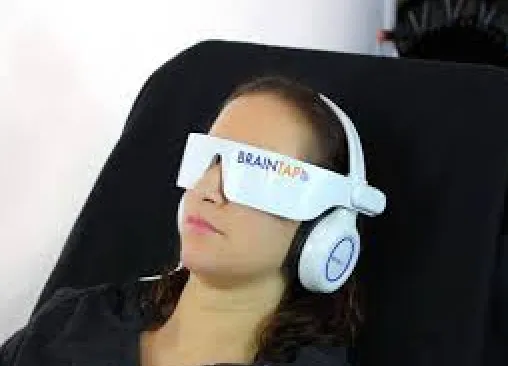
$100 off the BrainTap Power Bundle and the BrainTap Headset.
Click the link below and enjoy a $100 discount when you use the coupon code: PARTNER100
When does health begin?
Our health begins at conception. If the building blocks that are available (from the parents) are not healthy, the foetus may start its journey through life behind the eight-ball. Care must be taken by people considering starting or adding to a family to ensure they are functioning at their optimal level of health.
Chiropractic care is effective in helping people of all ages to reach their optimal health.
Babies
The physical and chemical stresses of the birth process are a very significant factor in the health of a baby. Drugs used during pregnancy and/or at the time of birth; unnatural neck positions, the force of contractions on a tiny baby's body, together with the use of forceps, vacuum or cesarean sections can dramatically impact on a new-born's health.
All of this, together with the health of the parents during the pregnancy and the up-coming challenges of learning to walk etc. that children face are all reasons why babies to be checked by a chiropractor.
Adults
Research shows that up to 40% of 15 year old children have some type of chronic condition 1 and 85% of all adults will suffer back pain bad enough to keep them off work at some stage in their lives 2 . These are not favorable statistics.
What is it that sees so many people unhealthy?
Our lifestyle contains many stresses - spiritually, emotionally, chemically and physically. We all face these stresses, but if our body is not functioning at 100% of its potential (if there is nervous system interference), these stresses will cause our body to break down over time as it fails to adapt.
Isn't it smart to get and keep your nervous system and body working at its full potential?
Babies
The physical and chemical stresses of the birth process are a very significant factor in the health of a baby. Drugs used during pregnancy and/or at the time of birth; unnatural neck positions, the force of contractions on a tiny baby's body, together with the use of forceps, vacuum or cesarean sections can dramatically impact on a new-born's health.
All of this, together with the health of the parents during the pregnancy and the up-coming challenges of learning to walk etc. that children face are all reasons why babies to be checked by a chiropractor.
Children
Part of growing up is learning to ride bikes, climb trees, play sports and even wrestle with siblings.
It is also a time that the body will grow and develop both physically and mentally faster than at any other time during life. Just because kids often do not complain of symptoms does not mean their bodies are functioning at their true potential.
The nervous system interference controls growth, healing, learning and development. A body free of nervous system interference will have the best possible chance to function and develop to the highest level.
Adults
Research shows that up to 40% of 15 year old children have some type of chronic condition 1 and 85% of all adults will suffer back pain bad enough to keep them off work at some stage in their lives 2 . These are not favorable statistics.
What is it that sees so many people unhealthy?
Our lifestyle contains many stresses - spiritually, emotionally, chemically and physically. We all face these stresses, but if our body is not functioning at 100% of its potential (if there is nervous system interference), these stresses will cause our body to break down over time as it fails to adapt.
Isn't it smart to get and keep your nervous system and body working at its full potential?
Elderly
Are you getting too old to worry about your health?
Are you ready for the nursing home?
NEVER! Why should the health of the elderly be viewed as something beyond hope. A healthy spine and nervous system will result in improved healing, improved immunity and greater enjoyment in life. Discover why so many people are finding that with chiropractic care they can add "years to your life and life to your years".
Reference:
1. Children, Australia. A Social Report. Australian Beureau of Statistics - 1999.
2. Chapman-Smith, D. The Chiropractic Profession. NCMIC Group - 2000.
Conditions Under Our Expertise

Chiropractic Care
The nervous system holds the key to the body’s incredible potential to heal itself.

Custom Orthotics
Balancing energy flow for overall health and wellness.
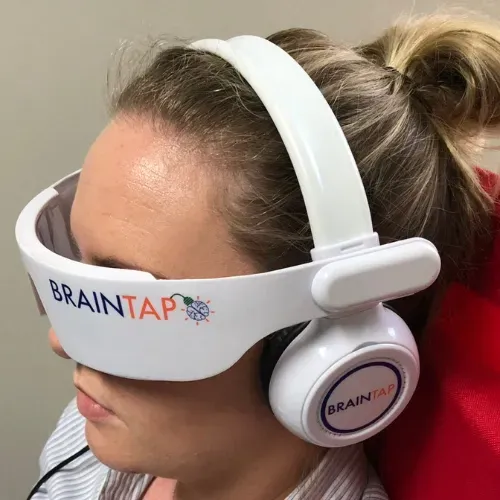
BrainTap
Reboot your brain allowing maximum benefits from your chiropractic adjustment to take effect.

"It is an awesome privilege and my ongoing passion to help people and families live out great quality lives."
Dr Justin Peatling
Chiropractor
TESTIMONIALS
Our Patient Reviews

"Testimomnial lorem ipsum dolor sit amet, consectetur adipisicing elit. Autem dolore, alias, numquam enim dolor elit."
- Name ipsum

Choosing you was the best decision for my health. The personalized care, expert guidance, and transformative approach made a significant impact on my well-being.
I am grateful for the dedicated team who not only alleviated my pain but empowered me with the knowledge to sustain a healthier lifestyle. Trustworthy, compassionate, and effective – I highly recommend you for anyone seeking holistic chiropractic care."
- Best name ever

"Testimomnial lorem ipsum dolor sit amet, consectetur adipisicing elit. Autem dolore, alias, numquam enim dolor elit."
- Name ipsum
Chiropractic care is for kids too...
The health of your children and wanting the very best for them must be one of the most important things a parent can desire. Wanting to see them grow up and develop to their true potential is a thing that parents seek. It is natural to want the very best for your kids.
On the other hand, an unhealthy child can be trying to a family. The feeling of helplessness, and not knowing which way to turn can bring great amounts of distress. As a child grows and develops both mentally and physically, it is vital that their nervous system is working free of interference.
You are never too old or too young to have your nervous system balance checked.

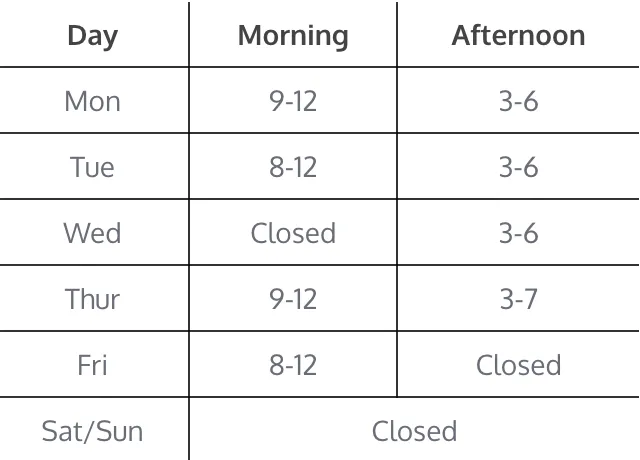
Practice Hours
Subscribe to our newsletter
Get In Touch
Quick Links
Services
Let's Connect!


Copyright 2026. Joshua Wellness Practice. All Rights Reserved.

Practice Hours
Quick Links
Services
Get In Touch
Let's Connect!
Copyright 2026. Joshua Wellness Practice. All Rights Reserved.