
Wellness Blog
1,200 +
Happy Patients

25 yrs
Years of Experience

75 +
Clinic Branches
1,200 +
Happy Patients
25 yrs
Years of Experience
75 +
Clinic Branches

The Power of Stillness
The Power of Sitting Quietly: Training Your Brain for Balance and Resilience
In a world of constant notifications, social media, screens and stimulation, one of the most powerful things you can do for your brain may be to stop doing anything at all.
Taking just a few minutes each day to sit quietly and connect with yourself is a simple practice that can have profound benefits for your brain and nervous system.
The goal isn't to empty your mind or stop thinking. Thoughts will inevitably appear. Instead, the practice is to notice the thought without judging it, attaching meaning to it, or following it down a rabbit hole.
Simply acknowledge it… and return your attention to your breath.
Feel the breath moving in.
Feel the breath moving out.
When your mind wanders, notice it and gently return to the breath.
And repeat.
Training your brain to delay gratification
This simple practice connects with an important theme explored in Dopamine Nation by Anna Lembke: our modern environment provides almost unlimited opportunities for immediate stimulation and gratification.
Scroll. Swipe. Like. Watch. Buy. Check.
The brain can become accustomed to constantly seeking the next source of stimulation.
Choosing to sit quietly instead teaches your brain something different: you don't have to respond to every impulse.
You can experience boredom without immediately escaping it.
You can experience a thought without acting on it.
You can experience discomfort without needing to fix it immediately.
That ability to pause rather than automatically react is an important part of developing self-regulation, adaptability and resilience.
Your thought environment matters
The ideas explored in The Biology of Belief by Bruce Lipton also highlight the importance of the environment surrounding our cells and the signals influencing biological function.
While the science around gene expression is more nuanced than simply saying "your thoughts change your genes," there is good reason to recognise that our psychological and behavioural environment can influence stress physiology and biological processes.
If your daily environment is dominated by urgency, stimulation, worry and constant digital input, your brain and nervous system are repeatedly exposed to those signals.
Conversely, deliberately creating moments of calm, presence and safety gives your nervous system a different experience to practise.
You are what you repeatedly experience.
A simple daily brain exercise
Try starting with just 5 minutes each day.
Sit somewhere comfortable.
Close your eyes or soften your gaze.
Notice your breathing without trying to change it.
Feel the inhale.
Feel the exhale.
When thoughts appear, don't fight them. Don't judge them. Don't try to work them out.
Simply acknowledge:
"There's a thought."
Then gently bring your attention back to your breath.
The goal isn't perfection.
The practice is the return.
Every time you notice your mind has wandered and bring it back to your breath, you are practising the ability to redirect your attention rather than being controlled by every thought or stimulus.
Over time, this simple habit can become a powerful way to support a calmer, more adaptable nervous system and may help reduce the impact of chronic stress and anxiety on your overall wellbeing.
Supporting your brain's ability to adapt
At Joshua Wellness Practice, we believe your brain and nervous system are constantly responding to the environment you create around them.
This is why brain-based chiropractic care is not simply about what happens during an adjustment. It is about helping the brain and nervous system develop greater balance, adaptability and resilience.
Regular brain-based chiropractic care can be paired beautifully with daily practices such as conscious breathing, quiet time, sunlight exposure, healthy movement, quality sleep and reducing excessive stimulation.
Because ultimately, your brain responds to what you repeatedly give it.
Sometimes the healthiest thing you can give your brain is a few quiet minutes each day to simply breathe, observe and be.
Slow down. Breathe. Notice. Return. Repeat.
That may be one of the simplest ways to begin training your brain for greater balance and resilience.

Brain Tap
Is a great, simple yet effective technology that can be combined with your chiropractic adjustment to help maximise your natural healing ability. It does this via optimising brain waves and balancing the fight or flight and calming sides of the nervous system. Brain Tap is a relaxation/meditation technology using light, sound and guided talking to assist your brain in achieving its peak potential, sharpening the mind and provide freedom from stress and anxiety.
Treat yourself with 10-20min of blissful relaxation and reboot your brain allowing maximum benefits from your chiropractic adjustment to take effect.
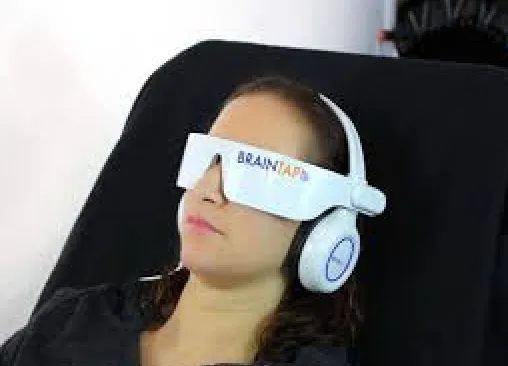
$100 off the BrainTap Power Bundle and the BrainTap Headset.
Click the link below and enjoy a $100 discount when you use the coupon code: PARTNER100
When does health begin?
Our health begins at conception. If the building blocks that are available (from the parents) are not healthy, the foetus may start its journey through life behind the eight-ball. Care must be taken by people considering starting or adding to a family to ensure they are functioning at their optimal level of health.
Chiropractic care is effective in helping people of all ages to reach their optimal health.
Babies
The physical and chemical stresses of the birth process are a very significant factor in the health of a baby. Drugs used during pregnancy and/or at the time of birth; unnatural neck positions, the force of contractions on a tiny baby's body, together with the use of forceps, vacuum or cesarean sections can dramatically impact on a new-born's health.
All of this, together with the health of the parents during the pregnancy and the up-coming challenges of learning to walk etc. that children face are all reasons why babies to be checked by a chiropractor.
Adults
Research shows that up to 40% of 15 year old children have some type of chronic condition 1 and 85% of all adults will suffer back pain bad enough to keep them off work at some stage in their lives 2 . These are not favorable statistics.
What is it that sees so many people unhealthy?
Our lifestyle contains many stresses - spiritually, emotionally, chemically and physically. We all face these stresses, but if our body is not functioning at 100% of its potential (if there is nervous system interference), these stresses will cause our body to break down over time as it fails to adapt.
Isn't it smart to get and keep your nervous system and body working at its full potential?
Babies
The physical and chemical stresses of the birth process are a very significant factor in the health of a baby. Drugs used during pregnancy and/or at the time of birth; unnatural neck positions, the force of contractions on a tiny baby's body, together with the use of forceps, vacuum or cesarean sections can dramatically impact on a new-born's health.
All of this, together with the health of the parents during the pregnancy and the up-coming challenges of learning to walk etc. that children face are all reasons why babies to be checked by a chiropractor.
Children
Part of growing up is learning to ride bikes, climb trees, play sports and even wrestle with siblings.
It is also a time that the body will grow and develop both physically and mentally faster than at any other time during life. Just because kids often do not complain of symptoms does not mean their bodies are functioning at their true potential.
The nervous system interference controls growth, healing, learning and development. A body free of nervous system interference will have the best possible chance to function and develop to the highest level.
Adults
Research shows that up to 40% of 15 year old children have some type of chronic condition 1 and 85% of all adults will suffer back pain bad enough to keep them off work at some stage in their lives 2 . These are not favorable statistics.
What is it that sees so many people unhealthy?
Our lifestyle contains many stresses - spiritually, emotionally, chemically and physically. We all face these stresses, but if our body is not functioning at 100% of its potential (if there is nervous system interference), these stresses will cause our body to break down over time as it fails to adapt.
Isn't it smart to get and keep your nervous system and body working at its full potential?
Elderly
Are you getting too old to worry about your health?
Are you ready for the nursing home?
NEVER! Why should the health of the elderly be viewed as something beyond hope. A healthy spine and nervous system will result in improved healing, improved immunity and greater enjoyment in life. Discover why so many people are finding that with chiropractic care they can add "years to your life and life to your years".
Reference:
1. Children, Australia. A Social Report. Australian Beureau of Statistics - 1999.
2. Chapman-Smith, D. The Chiropractic Profession. NCMIC Group - 2000.
Conditions Under Our Expertise

Chiropractic Care
The nervous system holds the key to the body’s incredible potential to heal itself.

Custom Orthotics
Balancing energy flow for overall health and wellness.
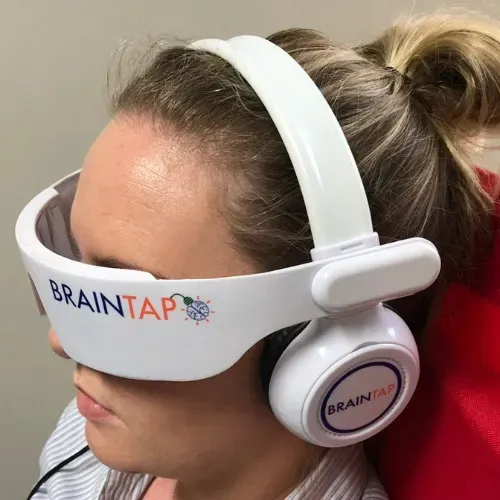
BrainTap
Reboot your brain allowing maximum benefits from your chiropractic adjustment to take effect.

"It is an awesome privilege and my ongoing passion to help people and families live out great quality lives."
Dr Justin Peatling
Chiropractor
TESTIMONIALS
Our Patient Reviews

"Testimomnial lorem ipsum dolor sit amet, consectetur adipisicing elit. Autem dolore, alias, numquam enim dolor elit."
- Name ipsum

Choosing you was the best decision for my health. The personalized care, expert guidance, and transformative approach made a significant impact on my well-being.
I am grateful for the dedicated team who not only alleviated my pain but empowered me with the knowledge to sustain a healthier lifestyle. Trustworthy, compassionate, and effective – I highly recommend you for anyone seeking holistic chiropractic care."
- Best name ever

"Testimomnial lorem ipsum dolor sit amet, consectetur adipisicing elit. Autem dolore, alias, numquam enim dolor elit."
- Name ipsum
Chiropractic care is for kids too...
The health of your children and wanting the very best for them must be one of the most important things a parent can desire. Wanting to see them grow up and develop to their true potential is a thing that parents seek. It is natural to want the very best for your kids.
On the other hand, an unhealthy child can be trying to a family. The feeling of helplessness, and not knowing which way to turn can bring great amounts of distress. As a child grows and develops both mentally and physically, it is vital that their nervous system is working free of interference.
You are never too old or too young to have your nervous system balance checked.

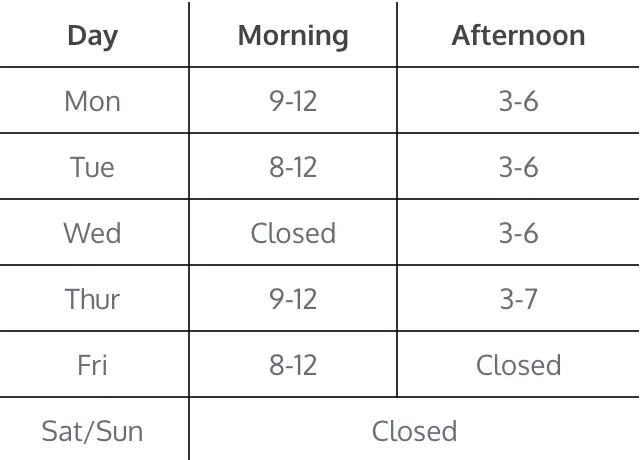
Practice Hours
Subscribe to our newsletter
Get In Touch
Quick Links
Services
Let's Connect!


Copyright 2026. Joshua Wellness Practice. All Rights Reserved.

Practice Hours
Quick Links
Services
Get In Touch
Let's Connect!
Copyright 2026. Joshua Wellness Practice. All Rights Reserved.